Reforço da segurança operacional do resfriamento líquido: o controle de limpeza técnica de todo o processo impulsiona a modernização industrial da computação e de novas energias.
À medida que centros de computação de IA, usinas de armazenamento de energia, veículos de novas energias e equipamentos de controle industrial de ponta evoluem rapidamente para alta densidade de potência, miniaturização e alta integração, a tecnologia de resfriamento líquido tem gradualmente substituído o resfriamento a ar tradicional como a principal solução de gerenciamento térmico. Caracterizada por baixo consumo de energia, controle preciso de temperatura e alta eficiência de dissipação de calor, ela atende perfeitamente às demandas de dissipação de calor de dispositivos eletrônicos de alta densidade. No entanto, com a popularização em larga escala dos sistemas de resfriamento líquido, limpeza técnica Os desafios de controle tornaram-se um gargalo crítico que restringe a vida útil dos equipamentos, a estabilidade da dissipação de calor e a consistência do produto. Especialistas do setor enfatizam que limpeza técnica do sistema de fluidos Serve como garantia fundamental para a operação segura, de longo prazo e eficiente de sistemas de refrigeração líquida, e o gerenciamento padronizado da limpeza de todo o processo estabelece uma base técnica sólida para o desenvolvimento de alta qualidade da indústria de refrigeração líquida.
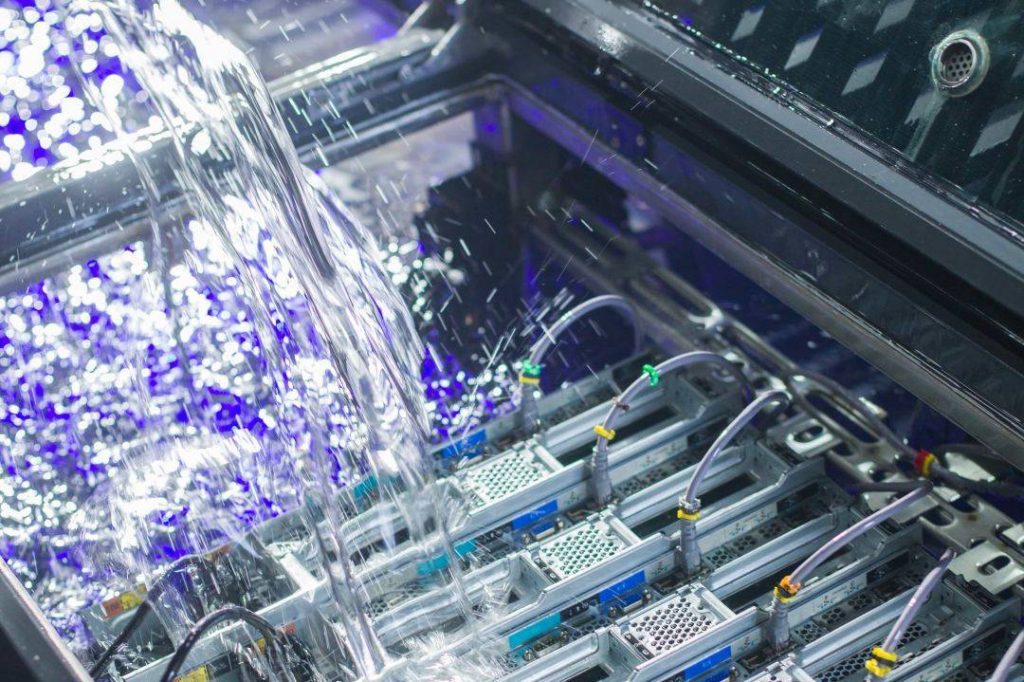
Dados técnicos industriais mostram que mais de 80% das falhas subsequentes em sistemas de refrigeração líquida são causadas diretamente por componentes de qualidade inferior. limpeza técnicaResíduos metálicos, óleo de usinagem, poeira de montagem, ferrugem em tubulações, lodo microbiano e outros contaminantes minúsculos desencadeiam uma série de falhas em cascata. Em particular, as placas frias de microcanais convencionais apresentam canais de fluxo ultraestreitos de apenas 0,2 a 1 milímetro, onde partículas de tamanho micrométrico podem facilmente causar bloqueios locais e formar pontos quentes. Isso leva à dissipação insuficiente de calor para chips, baterias e dispositivos de potência IGBT, resultando, em última análise, na redução da frequência do equipamento e na proteção contra superaquecimento. Além disso, partículas sólidas que circulam no fluido de refrigeração corroem continuamente os impulsores das bombas d'água e os componentes de vedação, causando desgaste das peças, vazamentos em tubulações e até mesmo curtos-circuitos e tempo de inatividade não planejado. Esses problemas acarretam perdas operacionais substanciais e potenciais riscos à segurança em centros de computação e equipamentos de novas energias.
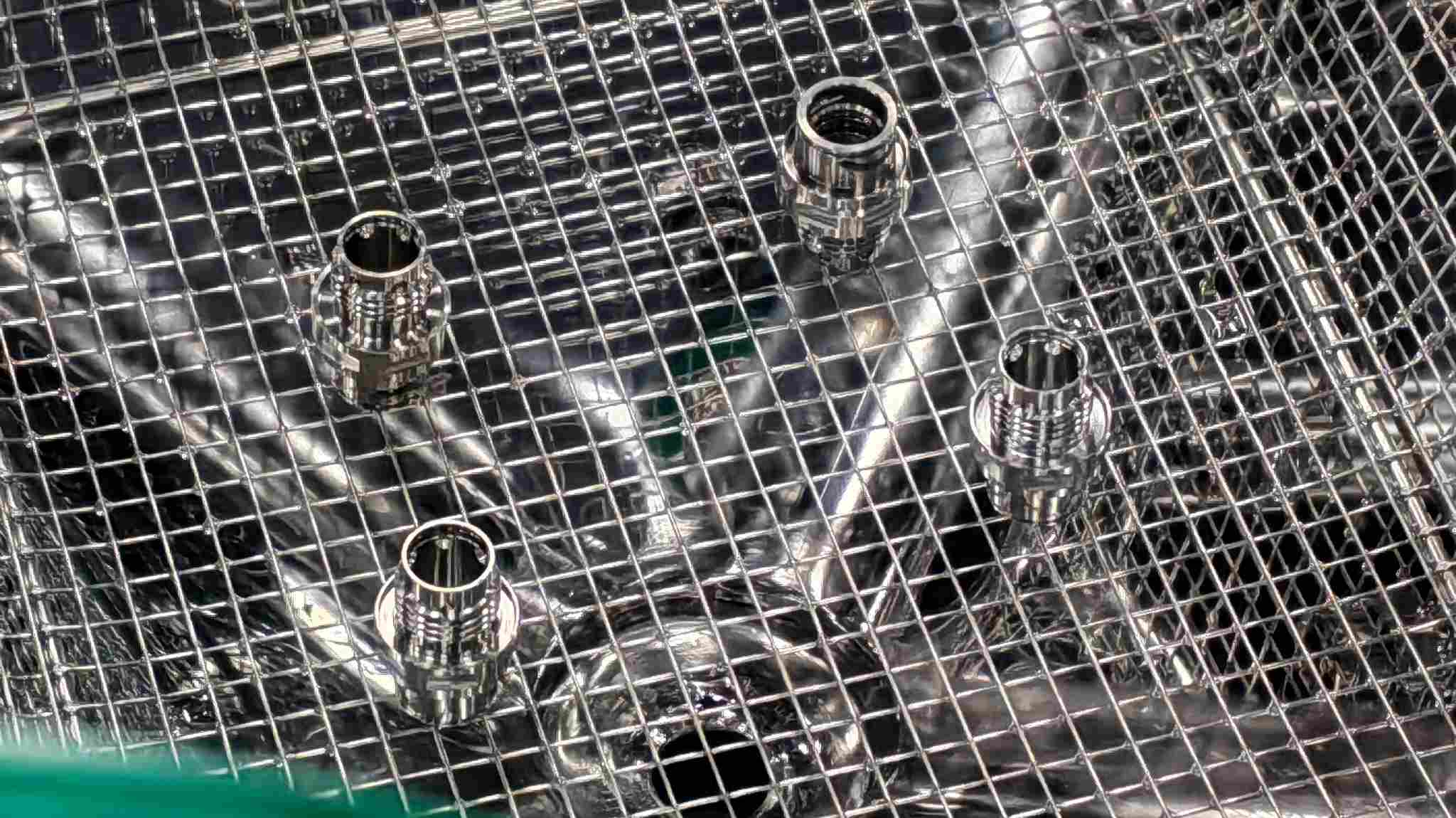
Para solucionar problemas comuns na indústria, incluindo limpeza incompleta, detecção imprecisa, contaminação secundária durante a montagem e operação e manutenção não padronizadas, é necessário um sistema abrangente de refrigeração líquida. sistema de controle de limpeza técnica Foi desenvolvido em estrita conformidade com duas normas internacionais de referência do setor: VDA 19.1 (Norma de Limpeza Técnica Automotiva) e IEST-STD-CC1246 (Classificação de limpeza de sistemas de fluidos de precisão). Cobrindo inspeção de entrada, limpeza de precisão, montagem sem poeira, lavagem de circulação de máquina completa, detecção precisa, e manutenção de ciclo de vida completoEste sistema preenche a lacuna na padronização industrial. gestão de limpeza técnica e resolve eficazmente as deficiências dos modos de controle tradicionais.
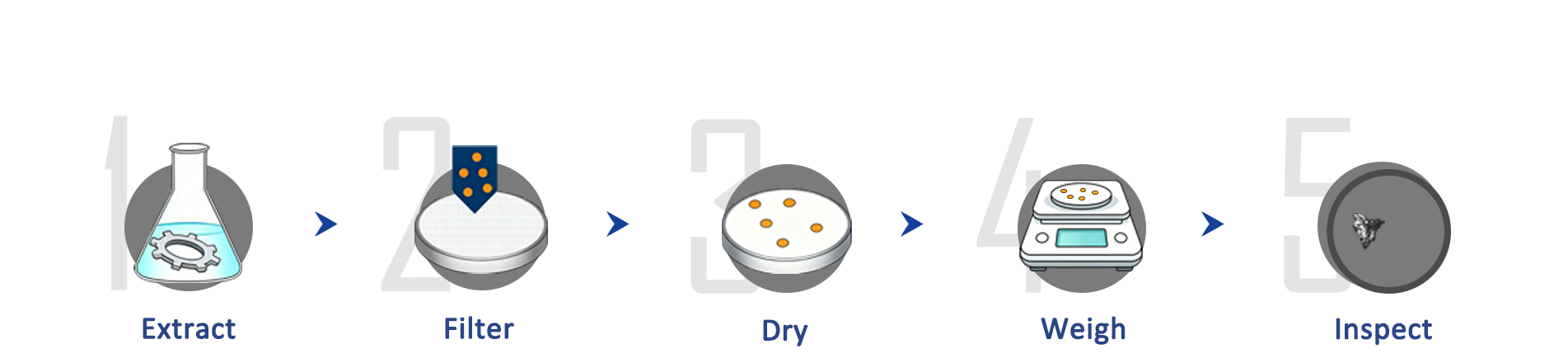
Na etapa de controle de versão, é implementado um mecanismo rigoroso de acesso à qualidade dos dados recebidos. Componentes essenciais de precisão Componentes como placas de refrigeração líquida, tubulações, conectores e vedações são submetidos a inspeções hierárquicas de amostragem de limpeza técnica, de acordo com... Extração de partículas VDA 19.1 e padrões de pesagem para evitar que peças contaminadas entrem na produção e eliminar potenciais riscos de poluição na origem. Processos de limpeza de precisão diferenciados são personalizados para diferentes componentes. Conexões de tubos convencionais adotam um fluxo de trabalho padronizado, incluindo desengorduramento ultrassônico, pulverização de alta pressão, enxágue com água ultrapura e secagem com ar quente. Para placas frias de microcanais propensas a entupimento, são aplicados processos exclusivos, como contralavagem pulsada, limpeza ultrassônica de baixa pressão de curta duração, enxágue gradiente e secagem a vácuo. Isso resolve o antigo problema da indústria de contaminantes residuais em cantos de difícil acesso e atinge uma taxa de cobertura de limpeza superior a 99,8% para minúsculos poluentes ocultos.
Na fase de montagem e comissionamento, as especificações padronizadas de operação livre de poeira são rigorosamente aplicadas, incluindo operação em cabine limpa, operação padronizada livre de poeira para a equipe, descontaminação regular das ferramentas e instalação imediata após a desembalagem dos componentes, evitando efetivamente a contaminação secundária durante a montagem. Além disso, um procedimento de lavagem com circulação online de toda a máquina é adicionado antes do abastecimento com fluido refrigerante. O sistema utiliza água ultrapura combinada com agentes de limpeza profissionais para circulação alternada bidirecional, com elementos filtrantes temporários de alta precisão para interceptar contaminantes em tempo real. O abastecimento com fluido refrigerante só é permitido após a limpeza interna. nível de limpeza do fluido encontra o IEST-STD-CC1246 requisitos de classificação, definindo o padrão geral de limpeza técnica do sistema.
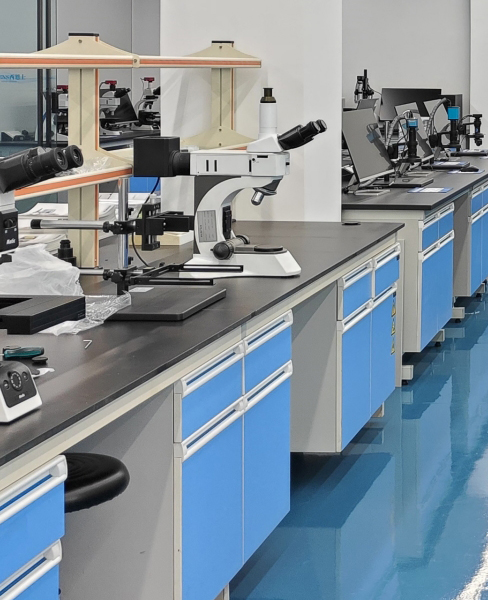
Em termos de detecção e verificação, o sistema adota métodos de teste de limpeza técnica reconhecidos internacionalmente, incluindo Norma VDA 19.1 extração e pesagem, contagem de partículas líquidas para limpeza IEST classificação e inspeção visual endoscópica. O sistema de teste multidimensional permite a identificação precisa de micropartículas acima de 3 μm e a classificação exata dos níveis de limpeza do sistema, eliminando detecções perdidas e avaliações imprecisas em processos de teste tradicionais.
Para manutenção ao longo de todo o ciclo de vida, a solução garante a estabilidade da limpeza técnica do sistema de fluidos a longo prazo. Um fluido refrigerante profissional, bacteriostático e inibidor de corrosão, é utilizado para suprimir a formação de incrustações e o crescimento de biofilme. Equipado com filtragem de precisão em circuito fechado e inspeção regular por amostragem do fluido, o sistema evita eficazmente a degradação da limpeza durante a operação prolongada, mantendo um desempenho consistente de dissipação de calor e baixa resistência ao fluxo durante todo o ciclo de vida útil do equipamento.
Especialistas do setor afirmam que a indústria de refrigeração líquida passou da popularização em larga escala para o aprimoramento da qualidade. A principal competição em termos de desempenho de dissipação de calor, confiabilidade do equipamento e vida útil reside essencialmente na competição por processos tecnicamente limpos e capacidades de gestão padronizadas. O processo completo limpeza técnica O sistema de controle resolve eficazmente os principais problemas dos sistemas de refrigeração líquida, como bloqueio de canais, corrosão eletroquímica, vazamento de vedações e atenuação da dissipação de calor, melhorando significativamente a estabilidade operacional e a consistência dos lotes de equipamentos de refrigeração líquida para centros de computação, sistemas de armazenamento de energia e veículos de novas energias.
No futuro, à medida que a tecnologia de gerenciamento térmico por resfriamento líquido for amplamente aplicada em computação de IA, armazenamento de novas energias, veículos elétricos e campos de controle industrial de ponta, o controle padronizado de limpeza técnica baseado em VDA 19.1 e IEST-STD-CC1246 Tornar-se-á uma referência essencial para o setor. A otimização contínua dos processos de limpeza técnica e dos padrões de teste promoverá ainda mais o desenvolvimento padronizado e de alta qualidade da indústria de refrigeração líquida, proporcionando garantias confiáveis de segurança térmica para a operação de alta eficiência da economia digital e das indústrias de novas energias.

 English
 Français
 Русский
 Español
 Português
 عربي
عربي Solicite um orçamento




 IPv6 REDE SUPORTADA